


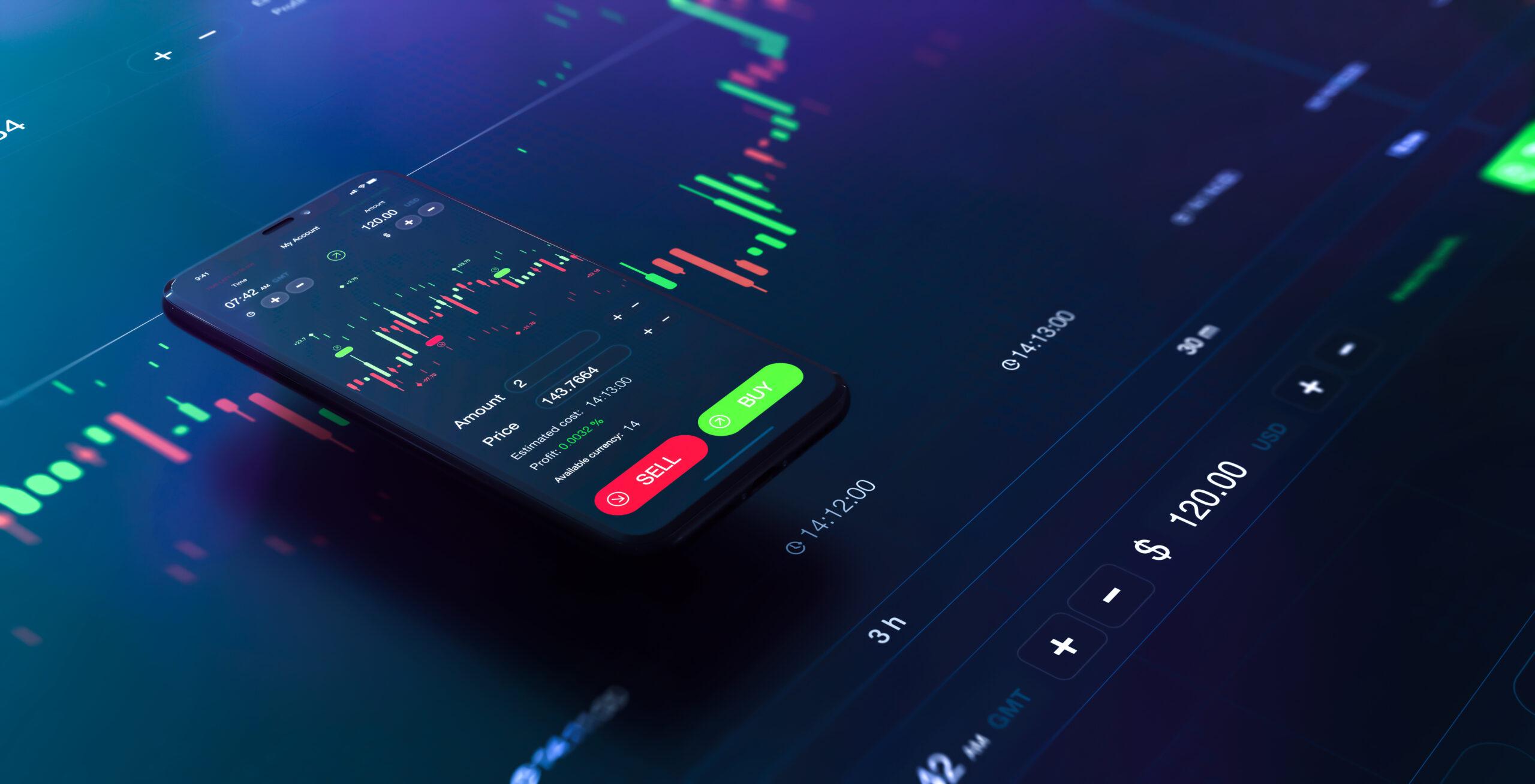
The world of investing, once the exclusive domain of Wall Street professionals and wealthy individuals working through brokers, has undergone a radical transformation. This revolution has been placed directly into the palm of our hands through the modern Stock Trading App. These powerful mobile applications serve as a direct gateway to the financial markets, allowing anyone with a smartphone and a bank account to buy and sell stocks, ETFs, and other securities with just a few taps. By dismantling the traditional barriers to entry—such as high fees, large minimum investments, and intimidating interfaces—these apps have democratized access to wealth creation opportunities for millions of new retail investors. This shift represents one of the most significant changes in personal finance in a generation, empowering individuals to take control of their financial future in a way that was previously unimaginable and fundamentally altering the landscape of the investment industry.
At their core, these applications function by providing a user-friendly interface that connects directly to a brokerage's back-end trading systems. When a user places an order to buy or sell a stock, the app securely transmits this instruction to the brokerage, which then routes it to the appropriate stock exchange for execution. This entire process, which once required a phone call to a broker, now happens in milliseconds. To facilitate informed decision-making, these apps are equipped with a host of essential features. Real-time stock quotes, customizable watchlists for tracking favorite companies, and interactive charting tools with technical indicators are now standard. Many apps also integrate news feeds, analyst ratings, and company financial statements directly within the platform, providing a comprehensive research environment that helps users stay informed about market movements and potential investment opportunities without ever leaving the application.
The design philosophy behind leading stock trading apps is centered on user experience (UX) and engagement. Developers have invested heavily in creating clean, intuitive interfaces that simplify the complexities of the stock market for novice investors. This often includes gamified elements like celebratory animations for a first trade, progress tracking, and easy-to-understand portfolio performance visualizations. Furthermore, the introduction of fractional shares has been a game-changer, allowing users to invest in high-priced stocks like Amazon or Google with as little as one dollar. This feature removes the psychological and financial barrier of needing hundreds or thousands of dollars to own a piece of a leading company, making diversification accessible to even the smallest investors and encouraging a habit of regular, small-scale investing.
This democratization, however, is not without its challenges and responsibilities. The very ease and accessibility that make these apps so popular can also encourage impulsive, high-risk trading behaviors. The gamified design and social media integration can sometimes blur the line between prudent investing and speculative gambling, leading inexperienced users to chase volatile "meme stocks" without fully understanding the risks involved. Consequently, a crucial role for these platforms is to balance a seamless user experience with robust educational resources. Leading apps are increasingly incorporating learning modules, articles, and tutorials on fundamental investing principles, risk management, and long-term financial planning to empower their users not just to trade, but to invest wisely for a secure financial future.
Top Trending Reports:

 English
 Arabic
 French
 Spanish
 Portuguese
 Turkish
 Dutch
Dutch
 Italiano
 Russian
 Romaian
 Portuguese (Brazil)
 Tiếng Việt