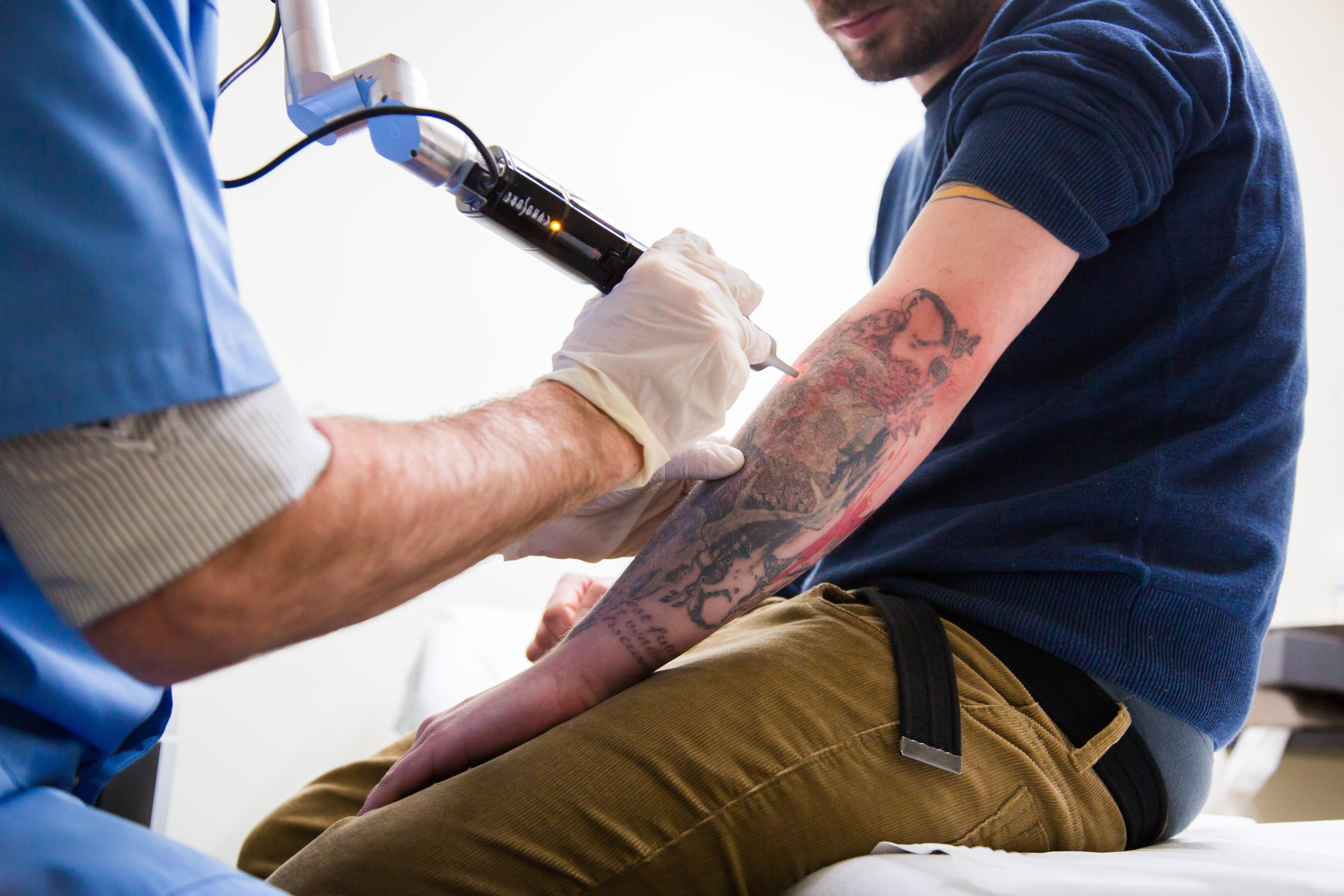
The most common deterrent for patients considering a laser procedure is the fear of physical discomfort. When researching tattoo removal in Dubai, many people encounter outdated stories of intense pain or skin damage. However, the modern clinical experience has been engineered to prioritize patient comfort through a combination of pharmacological numbing and advanced thermal regulation. While the laser does involve a snapping sensation, the actual duration of the treatment is remarkably short, often taking less time than a standard dental cleaning. By understanding the multi-layered approach to pain management, you can approach your sessions with peace of mind, knowing that the "pain-free" goal is closer to reality than ever before.
Managing expectations involves a transparent look at the sensations you will feel and the medical tools we use to mitigate them.
The Triple-Layer Comfort Protocol
In a professional setting, we don't rely on a single method to manage sensation. We use a "triple-layer" approach that addresses the nerve endings from the surface to the deeper dermis.
How Does Medical-Grade Numbing Cream Work for Tattoo Removal?
We apply a high-concentration topical anesthetic approximately 30 to 45 minutes before the laser session. This cream penetrates the upper layers of the skin, temporarily blocking the pain signals from the surface nerves. This ensures that the initial "sting" of the laser pulse is significantly dulled, making the entire experience much more tolerable for the patient.
What Is the Role of Cryotherapy Cooling During the Session?
During the actual laser application, a specialized device blows a continuous stream of chilled air (at roughly -30°C) onto the treatment area. This "forced-air cooling" provides two benefits: it acts as a secondary numbing agent by slowing down nerve conduction and it protects the skin from excess heat, reducing the risk of post-session swelling.
Are Nerve Blocks an Option for Very Sensitive Areas?
For tattoos located in highly sensitive regions—such as the ribs, fingers, or feet—a local anesthetic injection (nerve block) can be administered by a qualified professional. This completely numbs the target area for the duration of the treatment, allowing for a 100% sensation-free experience during the laser pulses, though it is usually reserved for smaller, intense zones.
Reality Check: What the Treatment Actually Feels Like
Despite the numbing, you will still experience some physical feedback. Patients who are well-informed about these sensations typically report much lower anxiety levels.
-
The "Rubber Band" Snap: This is the most common description. It feels like a thin, hot elastic band being flicked against the skin in rapid succession.
-
Tingling and Warmth: As the laser shatters the ink, you may feel a localized sense of warmth, which is quickly neutralized by the cooling air.
-
The "Acoustic" Pop: You will hear a snapping sound as the laser interacts with the ink. This is a purely auditory sensation but can be surprising if you aren't prepared for it.
Is Tattoo Removal More Painful Than Getting the Original Tattoo?
While the individual laser pulses feel sharper than a tattoo needle, the overall "pain burden" is often lower because the sessions are so short. A tattoo that took four hours to apply can often be treated with a laser in just five to ten minutes. Most patients find that the brevity of the procedure makes it much easier to endure.
Does the Discomfort Last After the Session Is Finished?
Once the laser stops, the "stinging" sensation usually fades within 15 to 30 minutes. Most patients describe the post-treatment feeling as similar to a mild sunburn—the skin may feel slightly tight or tender to the touch for a day or two, but it rarely interferes with daily activities or sleep.
Maximizing Your Comfort: Tips for Patients
Beyond the clinical tools, there are several steps you can take to ensure your session is as comfortable as possible.
-
Stay Hydrated: Dehydrated skin is more sensitive to heat; drinking plenty of water in the 24 hours before your visit helps regulate skin temperature.
-
Avoid Caffeine: High doses of caffeine can make you more jittery and sensitive to sharp sensations.
-
Eat a Light Meal: Having stable blood sugar prevents the lightheadedness that can sometimes accompany the adrenaline of a medical procedure.
-
Communicate: Your specialist can adjust the speed of the pulses or give you "cooling breaks" if you need a moment to adjust.
Why Is the Location of the Tattoo a Factor in Sensitivity?
Areas where the skin is thin or directly over bone—like the ankles, spine, or collarbone—have a higher density of nerve endings and less "cushioning" fat. In these areas, the mechanical shockwave of the laser is felt more clearly. We adjust our numbing protocols specifically for these zones to ensure consistent comfort regardless of the tattoo's location.
Social Proof: Real Patient Perspectives
-
"I was so nervous I almost canceled. But with the numbing cream and the cold air blowing, it was over before I even had time to get stressed. It’s definitely not as bad as the internet makes it sound." — Sami
-
"The first session was the hardest because I didn't know what to expect. By the third session, I didn't even bother with the extra numbing—it's just a quick snap and then you're done." — Zaid
Why Choose a Supportive Clinical Environment?
Comfort is as much about the environment as it is about the technology. At Tajmeels Clinic, we understand that every patient has a different pain threshold, and we tailor our numbing and cooling protocols to meet your individual needs. Our specialists are trained to work at a pace that keeps you comfortable, utilizing the most advanced medical-grade anesthetics and cryotherapy systems available. We provide a private, professional setting where your concerns are heard and your physical comfort is a top priority. When you choose to clear your skin, you shouldn't have to fear the process. We invite you to experience a more comfortable path to a clean slate through the patient-centered care at Tajmeels Clinic.
Frequently Asked Questions
Can I take ibuprofen before my session?
We generally recommend avoiding ibuprofen or aspirin, as these can thin the blood and increase the risk of minor pinpoint bruising or bleeding during the laser treatment. If you need a mild pain reliever, paracetamol is a safer choice that won't interfere with the skin's natural healing response.
How long does the numbing cream last?
The medical-grade numbing cream we use typically stays effective for 60 to 90 minutes. This is more than enough time for even large-scale tattoo removal sessions. You will start to regain full sensation in the area about an hour after your appointment has concluded.
Will I feel "pulses" in my body during the treatment?
No, the laser energy is strictly localized to the dermis. You will feel the "snap" at the site of the tattoo, but the energy does not travel through your body or affect your internal organs. It is a surface-level interaction between light and pigment.
Does the pain decrease with each session?
Actually, yes. As the ink fades, there are fewer particles for the laser to hit. Since the sensation is caused by the laser reacting with the pigment, many patients find that their final sessions are significantly more comfortable than their first few visits when the ink was at its densest.
What if I have a very low pain tolerance?
Don't worry—you aren't alone. Many of our patients share this concern. We can apply thicker layers of anesthetic, use longer "cooling periods," and even break larger tattoos into smaller, 5-minute mini-sessions to ensure you never feel overwhelmed during your journey to clear skin.

 English
 Arabic
 French
 Spanish
 Portuguese
 Deutsch
 Turkish
 Dutch
Dutch
 Italiano
 Russian
 Romaian
 Portuguese (Brazil)