


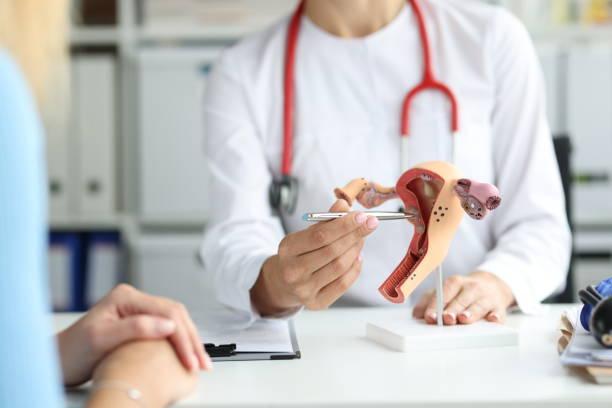
A persistent, dull, aching pain in the lower abdomen that intensifies after long periods of standing, walking, or intimacy is frequently the hidden signature of Pelvic Congestion Syndrome (PCS). Much like varicose veins in the legs, PCS develops when the valves within the lower pelvic veins become weakened or damaged. This causes blood to pool backward into the pelvic cavity, creating painful, engorged venous networks around the uterus, ovaries, and bladder. At Tajmeels Clinic, our department of Obstetrics and Gynaecology in Dubai specializes in diagnosing and treating this frequently misidentified condition. Led by an elite team of female specialists, we provide a private, compassionate space where your vascular pelvic health is mapped using advanced imaging, providing targeted medical and minimally invasive pathways to relieve deep pressure and restore your daily comfort.
Targeted Diagnostics for Deep Pelvic Vascular Congestion
Because chronic pelvic pain can stem from multiple overlapping factors, our clinical approach focuses on isolating vascular pooling from other conditions like endometriosis or fibroids.
1. High-Definition Vascular Mapping and Diagnostics
Identifying engorged pelvic veins requires specialized, high-definition imaging techniques performed during specific physical states.
-
Dynamic Transvaginal Doppler Ultrasound: Evaluating internal blood flow velocities and mapping widened ovarian or uterine veins while the patient changes positions to capture real-time vascular pooling.
-
Pelvic Venous Flow Assessment: Reviewing vascular layouts to rule out structural compressions—such as May-Thurner or Nutcracker syndromes—where overlapping arteries naturally compress underlying veins.
2. Comprehensive Multidisciplinary Care Pathways
Once pelvic congestion is mapped and staged, we focus on reducing venous pressure and eliminating chronic cellular inflammation.
-
We design personalized medical management programs using specialized hormonal therapies or venotonics (medications that improve vein wall tone) to narrow widened blood vessels.
-
For advanced cases causing severe daily limitations, we coordinate directly with elite interventional radiologists to arrange pelvic vein embolization—a highly successful, minimally invasive procedure that seals off the damaged, leaking veins from the inside.
Procedural Protocol: What to Expect During a Pelvic Doppler Assessment
To accurately detect deep vascular pooling without causing physical stress, our clinic conducts pelvic vascular mapping using a highly precise, step-by-step imaging workflow.
What defines our therapeutic approach?
Validating and Resolving the Burden of Invisible Pelvic Pain
We recognize that women living with Pelvic Congestion Syndrome often spend months or even years visiting various doctors, undergoing broad treatments, and feeling deeply frustrated because their standard scans keep coming back completely normal. At Tajmeels Clinic, our elite female specialists understand that your pain is real and highly treatable. We know that a heavy, dragging feeling in the pelvis can completely drain your daily energy, impact your career, and disrupt your personal relationships. By combining advanced vascular Doppler techniques with deep clinical empathy, we uncover the hidden root cause of your discomfort, explaining the changes using clear anatomical models and guiding you smoothly toward permanent relief.
Proactive Lifestyle Integration: Minimizing Pelvic Venous Pressure
To manage symptoms effectively and prevent blood from pooling in the lower pelvis during daily activities, our specialists integrate tailored lifestyle habits into your care:
-
Vascular Decongestion Rest Sets: Incorporating short 10-to-15 minute intervals twice daily where you lie down with your hips elevated on pillows, using gravity to naturally drain pooled blood back toward the heart.
-
Targeted Compression Support: Utilizing medical-grade pelvic or abdominal compression garments during long working hours or travel to provide external structural support to weakened vein walls.
-
Low-Impact Circular Fitness: Prioritizing steady walking, swimming, or stationary cycling to engage the calf and deep thigh muscles, which acts as a natural pump to keep blood moving smoothly out of the lower abdomen.
Real Patient Experiences
"For nearly three years, I lived with a constant, heavy, throbbing ache in my lower belly that became completely unbearable by the end of every workday. I felt like nobody understood what was wrong because my basic checkups always looked normal. The female specialists at Tajmeels Clinic knew exactly what to look for. They did a specialized pelvic Doppler scan and found that my ovarian veins were severely widened. Starting a targeted treatment plan completely removed that heavy dragging sensation, and I finally have my energy and pain-free life back." — Mona
"We find that in 2026, modern women's medicine must look closely at vascular health within the pelvic basin to effectively treat chronic pain. Pelvic Congestion Syndrome is frequently overlooked, yet it accounts for up to 30% of chronic pelvic pain presentations globally. Our clinical standard is to provide an elite, deeply analytical space where advanced vascular tracking allows us to pinpoint these hidden venous issues immediately, delivering highly successful solutions that spare women from unnecessary invasive surgeries." — Chronic Pelvic Pain and Vascular Health Council
Reclaim a Life Free from Pelvic Pressure at Tajmeels Clinic
Deep abdominal pain and a constant feeling of pelvic heaviness should never hold you back from living your life to the absolute fullest. At Tajmeels Clinic, our internationally trained female gynecologists combine state-of-the-art pelvic vascular imaging with a premium, deeply understanding care philosophy designed around your peace of mind. Whether you are dealing with chronic deep aches that worsen when standing, struggling with painful pressure after intimacy, or searching for an expert, accurate diagnosis for unresolved pelvic discomfort, we provide the elite specialized care needed to restore your health. Reclaim your physical comfort within a luxurious, private sanctuary built to protect you. Contact our welcoming team today to secure your private consultation for expert Obstetrics and Gynaecology in Dubai.
FAQs
What does the pain of Pelvic Congestion Syndrome typically feel like?
We provide a professional and empathetic environment where we explain that PCS pain is usually described as a deep, dull, chronic ache or heavy dragging sensation in the lower belly and lower back. The discomfort typically intensifies at the end of a long day of standing, during or after intimacy, or right before your menstrual cycle begins.
Why does pelvic congestion pain get worse after standing for long periods?
We observe that because the valves inside your pelvic veins are weakened, gravity pulls blood downward when you stand or sit upright for extended periods. This causes blood to pool and stretch the thin vein walls in your pelvic cavity, leading to increased pressure, localized swelling, and a throbbing ache that only improves when you lie flat.
Can Pelvic Congestion Syndrome be detected on a standard pelvic ultrasound?
Standard pelvic ultrasounds frequently miss pelvic congestion because they are typically performed while you are lying flat, which allows the pooled blood to drain away naturally and causes the veins to temporarily shrink. Our female specialists utilize dynamic transvaginal color Doppler scans, assessing the veins under slight strain to catch the pooling clearly.
Is Pelvic Congestion Syndrome a dangerous or life-threatening condition?
No, Pelvic Congestion Syndrome is not a life-threatening or dangerous medical condition, and it does not increase your risk of developing malignant diseases. However, the chronic, heavy pain and deep physical fatigue it causes can significantly impact your daily quality of life, emotional well-being, and activity levels if left untreated.
What non-surgical medical treatments are available for managing clogged or widened pelvic veins?
Our clinic provides several highly effective non-surgical options. We can utilize specialized hormone therapies that naturally reduce estrogen levels to temporarily shrink widened veins, prescribe specific medications that improve overall vein wall strength, and incorporate targeted pelvic floor physical therapies to optimize local circulation.
What is pelvic vein embolization, and how successful is it for chronic pain?
Pelvic vein embolization is a highly advanced, minimally invasive outpatient procedure performed through a tiny catheter placed into a vein in the leg or arm. The interventional specialist uses tiny coils or medical foam to safely seal off the stretched, leaking pelvic veins. The procedure carries an exceptional 85% to 90% success rate for permanently eliminating chronic pelvic pain.

 English
 French
 Spanish
 Portuguese
 Deutsch
 Turkish
 Dutch
Dutch
 Italiano
 Russian
 Romaian
 Portuguese (Brazil)
 Tiếng Việt